

Human and organisational factors play a part in most marine accidents; the often-quoted figure is around 80%. Very few of those are dramatic mistakes at the helm. Many start as small things nobody checked, logged or followed up. Haul-out day is the one time a year you can see, touch and fix what's below the waterline, so it's where a lot of those small things get caught or missed.
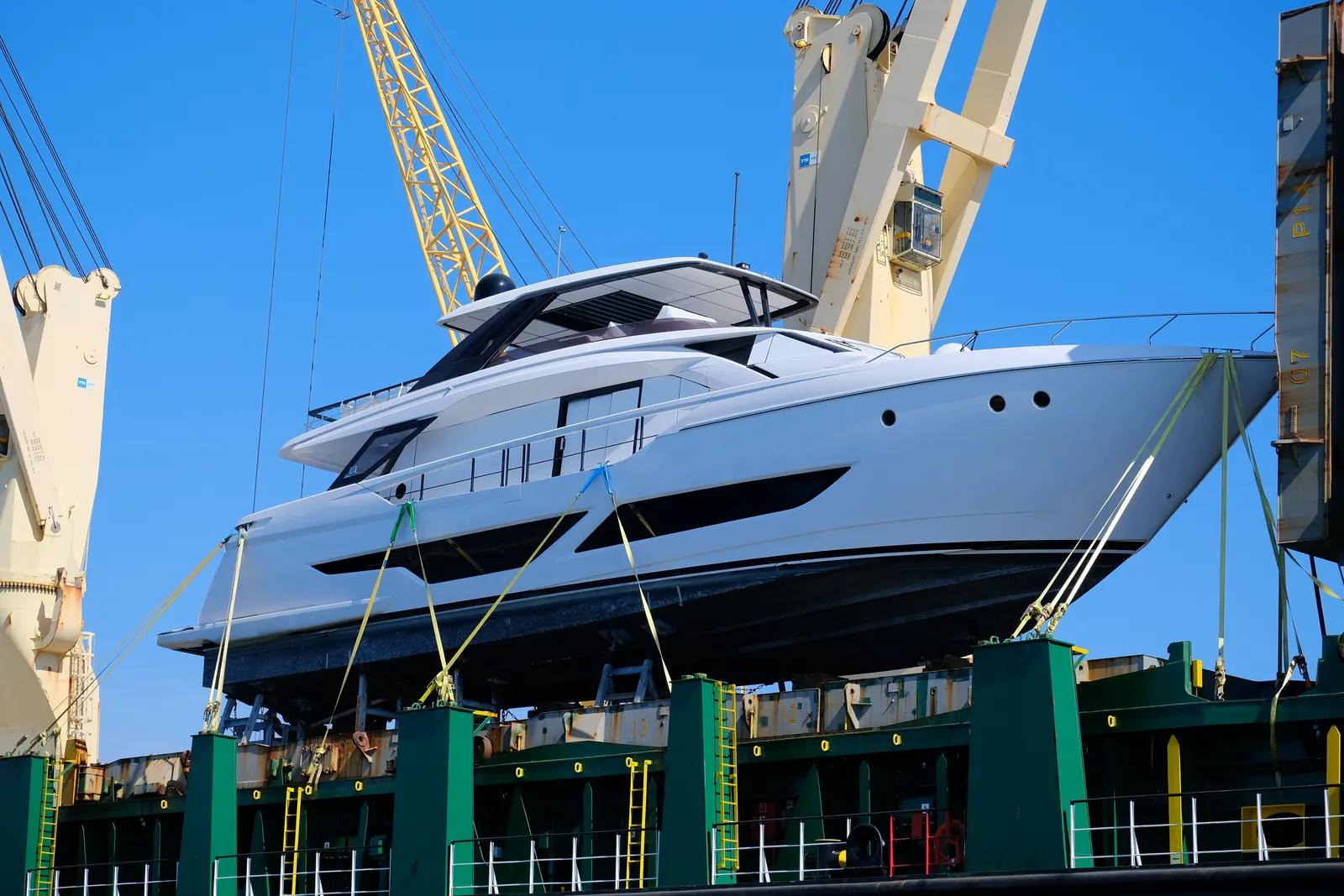
In the Northern Hemisphere, autumn means lifts, cradles and pressure washers. It's also the most rushed inspection of the year. The yard has a schedule, the weather is turning, and everyone wants the boat blocked up and wrapped before the first frost. That's exactly when things get missed.
Read more on what that 80% figure really means, and where technology actually fits.
Why human error matters more on haul-out day
"Human error" sounds like someone doing something wrong. Usually it's quieter than that:
- A check that was skipped because the yard crew was waiting.
- A problem that was noticed but not written down, so nobody remembers it in spring.
- A job that was assumed done because two people each thought the other had it.
- A part that wasn't on board when it was needed, so the fix was put off.
None of these feels like a safety issue on the day. But a corroded through-hull, a worn cutless bearing or a weeping seacock is exactly the kind of thing that turns into an incident months later, far from the dock.
Your haul-out inspection checklist
Hull and coating
- Blisters, cracks and soft spots. Tap suspect areas with a plastic mallet and note anything that sounds dull or hollow.
- Antifouling condition. Note where coating has worn through, so you know what needs attention before relaunch.
- Impact damage. Check the keel, bow and chines for groundings or strikes you didn't know about.
Through-hulls and seacocks
- Every through-hull fitting. Look for corrosion, cracking or green and pink discolouration around bronze fittings.
- Seacocks. Open and close each one. A seacock that won't move is a seacock that won't close in an emergency.
- Hoses and clamps. Check from inside the hull while you're there, and replace anything cracked, soft or rusted.
Running gear
- Propeller. Look for dings, bent blades and pitting.
- Shaft and cutless bearing. Grab the shaft and move it. Noticeable play means the bearing is worn.
- Rudder. Check for play in the bearings and look for water weeping from the rudder blade.
- Outdrives and bellows (if fitted). Bellows perish quietly, and a failed bellows can sink a boat at the dock.
Anodes and electrical
- Sacrificial anodes. Replace any that are around half worn. Anodes that wear unusually fast can point to a stray current problem.
- Transducers and speed sensors. Clean them, check the seals and look for cracks.
- Bonding wires. Check connections for corrosion while they're easy to reach.
Records
- Log what you found, not just what you fixed. A defect you decide to leave until spring still needs to be written down.
- Note who did what. Yard, crew or owner, so nobody assumes it's done.
- Order parts now. Spring is when everyone else orders too.
The problem isn't the checklist, it's what happens after
Most owners and crews know what to look for. Where things fall apart is the gap between haul-out and relaunch. Notes live on a clipboard, a phone or in someone's head. The person who spotted the worn bearing isn't the person who books the spring work. By March, nobody can say for certain whether the seacock was replaced or just noted.
It takes the things that fall through the cracks—expiring certifications, missed maintenance intervals, undocumented drills, paper checklists that prove nothing—and makes them impossible to ignore.
How Vessel Vanguard closes the gap
Vessel Vanguard is built to make sure what you find on haul-out day is still there, and still visible, when it matters.
- Digital checklists. Run the same haul-out inspection every year, on any device, with photos attached to each item.
- Defects become work orders. Anything you flag turns into a task with an owner and a due date, so it can't slip through the cracks over winter.
- Parts and inventory. See what's on board and what needs ordering before the spring rush.
- Full service history. Every inspection, repair and part is kept with the vessel. That record helps with surveys, insurance and resale.
- Works offline. Boatyards don't always have signal. The app keeps working and syncs when you're back in range.
Ready to make this year's haul-out the last one you do on paper?
Book a DemoBook a 20-minute walkthrough and we'll show you how inspections, work orders and maintenance records work together for your vessel.
Sources: Journal of Maritime Research, analysis of human error in maritime accidents. Prince William Sound RCAC, the role of human factors in marine accidents. Rhiannon Silvashy, Foghorn, September 2026.
Frequently asked questions
What percentage of marine accidents are caused by human error?
Research on maritime accidents commonly puts the figure at around 75% to 96%, with about 80% the most widely quoted. That includes organisational factors like missed maintenance, unclear responsibilities and poor record-keeping, not just mistakes at the helm. Better systems reduce these errors.
What should I inspect when my boat is hauled out?
Check the hull and antifouling, every through-hull fitting and seacock, hoses and clamps, the propeller, shaft and cutless bearing, rudder, outdrive bellows, sacrificial anodes, transducers and bonding. Photograph everything and record what you found, even items you plan to fix later.
How often should a boat be hauled out?
Most owners haul out once a year, often for winter lay-up in colder regions. Boats kept in warm water year-round may need hauling every one to two years to refresh antifouling and service running gear. Your insurer or surveyor may also set requirements.
Why do maintenance problems get missed?
Usually because of gaps between people and time, not lack of knowledge. A problem is noticed but not logged, a job is assumed done, or notes are lost before relaunch. A shared digital record with clear owners and due dates closes those gaps.
How do I keep a record of haul-out work?
Use a digital maintenance log that stores checklists, photos, work orders and parts against the vessel. That gives you one history you can show a surveyor, insurer or buyer, and a reminder of what still needs doing before the boat goes back in.