

For most boat engines, and outboards in particular, the routine service (often called the 100-hour service) is due every 100 hours or once a year, whichever comes first. Yamaha and Mercury both set their schedules this way, and Yamaha adds a first check after the initial 20 hours on a new engine. Diesel inboards often allow more hours between oil changes, but they still carry a time limit too.
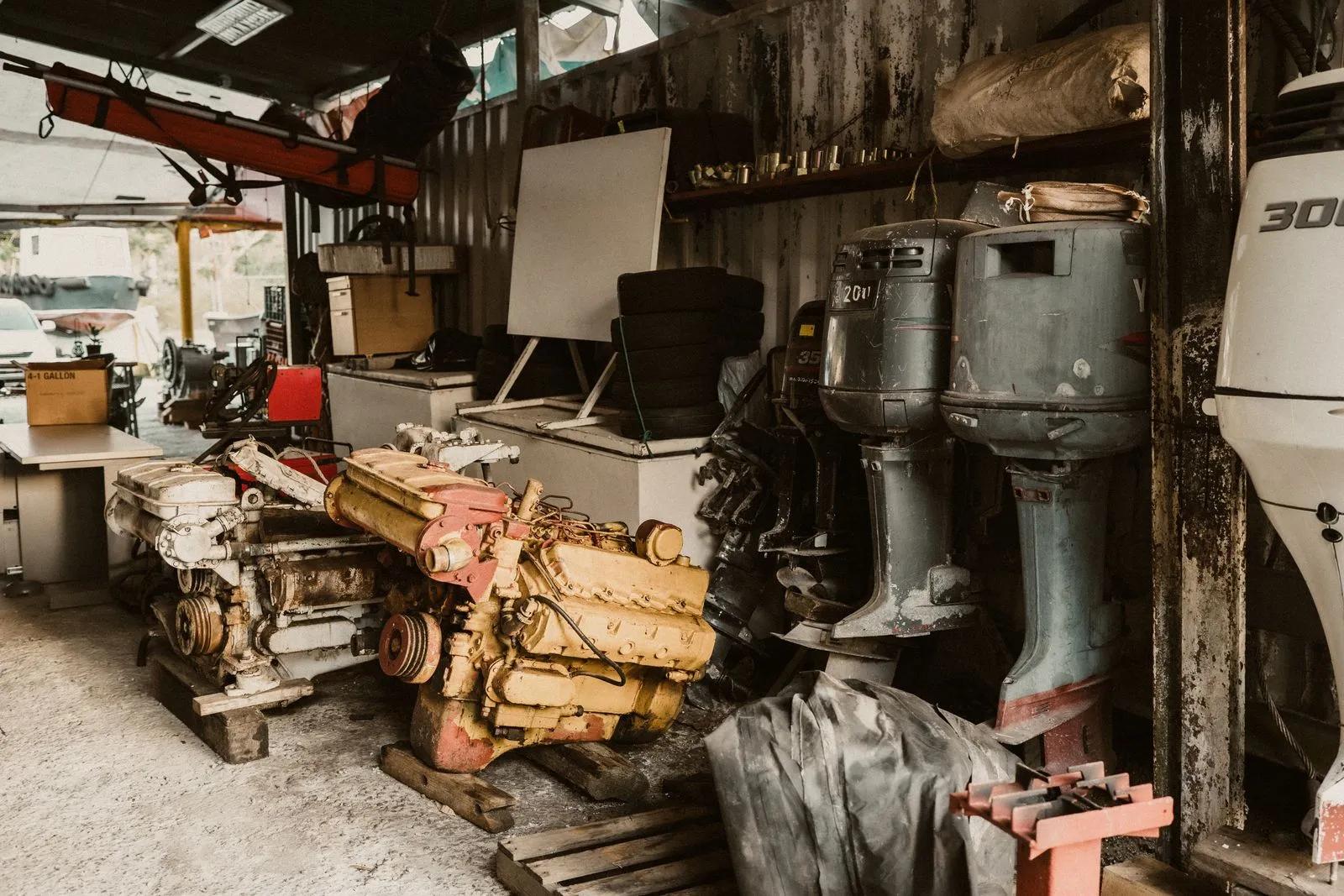
The words that matter are "whichever comes first". Most owners only watch one of the two numbers, and that's where engines get into trouble.
Why engine hours alone aren't enough
A boat that runs 30 hours a year may never reach 100 hours. But time keeps doing damage while it sits at the dock or on the trailer:
- Oil breaks down. Moisture and combustion by-products build up in the oil and make it acidic, even when the engine isn't running.
- Rubber ages. Water pump impellers take a set and crack, and hoses and belts harden with time, not just use.
- Fuel goes stale. Ethanol-blended petrol absorbs water and can separate in the tank.
- Corrosion keeps working. Anodes and cooling passages are attacked whether the boat is moving or not, especially in salt water.
That's why a low-hours boat still needs its annual service.
Why the calendar alone isn't enough
The opposite happens too. A charter boat, workboat or busy weekend cruiser can run 100 hours in a couple of months. If you only service once a year in spring, a 250-hour season means the engine spends most of it on tired oil.
Hard use shortens intervals further. Manufacturers recommend servicing more often for long periods of trolling, heavy loads, high revs or regular saltwater running. Some Yamaha owner's manuals, for example, say to service twice as often under demanding conditions.
Typical service intervals at a glance
These are typical outboard intervals, based on Yamaha's published schedule. Your engine's owner's manual is always the final word.
| When | Typical work |
|---|---|
| First 20 hours (new engine) | First oil change, gear lube change and a full check now the engine has bedded in |
| Every 50 hours | Change the fuel/water separator filter |
| Every 100 hours or once a year | Engine oil and filter, gearcase lube, spark plugs, water pump impeller check, anodes, grease points |
| Every 300 hours | A bigger service, including replacing the thermostat |
Diesel inboards: oil change intervals vary a lot by model, so check the manual. Some commercial diesels can go longer between changes, but only with oil analysis and full service records to back it up.
Your engine service checklist
Every time you go out
- Check the oil level on four-strokes and inboards before starting.
- Look for the tell-tale. A steady stream of cooling water means the water pump is working.
- Look for leaks of fuel, oil or coolant in the engine bay or under the cowling.
- Flush after salt water, following your manual's method.
- Write down the engine hours. It takes ten seconds and tells you exactly when the next service is due.
The 100-hour service (every 100 hours or once a year)
- Engine oil and filter. Change both together.
- Gearcase or lower unit oil. Milky oil means water is getting in, so check the seals.
- Fuel filters. Replace the filters and check the fuel lines for cracks.
- Water pump impeller. Inspect it, and replace it if it's worn or due by age.
- Spark plugs. Inspect or replace, as your manual says.
- Anodes. Replace any that are around half worn.
- Grease points and steering. Grease fittings and check for play.
- Belts, hoses and clamps. Look for cracks, softness and rust.
- Battery and connections. Clean the terminals and check they're tight.
Before winter lay-up
- Change the oil before storage, not in spring, so acidic old oil doesn't sit in the engine all winter.
- Treat the fuel with stabiliser and run it through the system.
- Protect the cooling system from freezing, following your manual.
- Log the hours and anything you found, so the spring work list is ready to go.
For the full lay-up routine, see our boat winterization checklist.
The real problem: knowing when you're due
Most owners know they should service at 100 hours or once a year. The hard part is keeping track. The hour meter is on the dash, the last service date is on an invoice somewhere, and nobody wrote down what the hours were when the oil was last changed.
It gets harder with more engines. Twin outboards, a generator and a tender each run on their own clock. Across a fleet, it's dozens of engines, each with a different mix of hours and dates.
How Vessel Vanguard keeps both clocks
Vessel Vanguard tracks the hours and the calendar for you, so you service on whichever comes first without doing the maths.
- Service schedules by hours or date. Set each task to trigger by engine hours, calendar interval or operating cycles. See maintenance scheduling.
- Alerts before it's due. Get a reminder as a service gets close, not after it's overdue.
- Engine hours in the log. Record hours, fluids and temperatures in the engine room log, so the schedule is always up to date.
- Full service history. Every oil change, impeller and filter is kept with the vessel. That helps with warranty claims, surveys and resale.
Ready to stop guessing when your engine is due?
Book a DemoBook a 20-minute walkthrough and we'll show you how hour-based and calendar-based maintenance work together for your vessel.
Sources: Midseason maintenance tips, Yamaha Outboards. Inspection and maintenance schedule, Mercury 150 owner's manual. Volvo Penta doubles service interval, MarineLink.
Frequently asked questions
How often should you service a boat engine?
Most boat engines need a routine service every 100 hours or once a year, whichever comes first. New outboards usually need an extra first service after about 20 hours. Check your owner's manual, because exact intervals vary by make, model and how hard the engine works.
What is a 100-hour service on a boat?
It's the routine service most outboard makers set for every 100 hours of running or once a year. It typically covers the engine oil and filter, gearcase oil, fuel filters, spark plugs, the water pump impeller, anodes and grease points. Your manual lists the exact items.
Do I need to service my boat engine if I've hardly used it?
Yes. Oil turns acidic, rubber impellers and hoses age, fuel goes stale and corrosion carries on even when the boat sits unused. That's why manufacturers set a time limit as well as an hours limit. A low-hours engine still needs its annual service.
How do I know how many hours my boat engine has done?
Most engines have an hour meter on the dash or in the engine's diagnostic system. Write the reading down every time you go out, and note the hours at each service. That record tells you exactly when the next service is due.
Should I service my boat engine more often in salt water?
Often, yes. Regular saltwater running, long periods of trolling, heavy loads and high revs all count as demanding use. Many manufacturers recommend shorter intervals in these conditions, so flush the engine after every saltwater trip and check your manual for the adjusted schedule.