

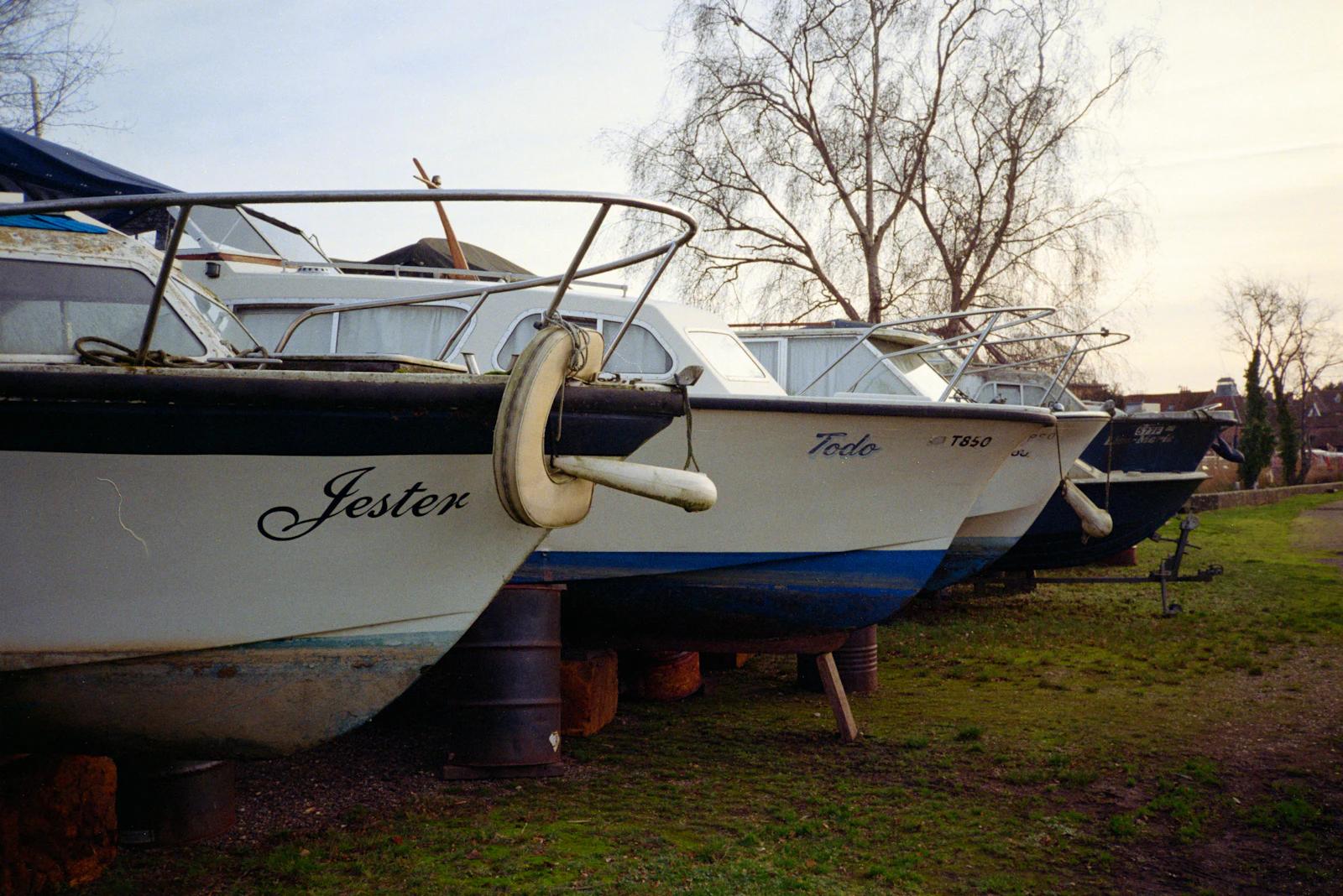
As Northern Hemisphere boating seasons draw to a close, winter lay-up offers a timely reminder that safer vessel operations begin with good habits, clear procedures and the right information. Here's how to take the guesswork out of winterization.
Human error at sea: is technology the answer?
It's a statistic that appears regularly in maritime safety discussions: approximately 80% of marine accidents involve human error.
But is it accurate?
The more useful question isn't exactly how many accidents involve human error. It's how many preventable problems begin with something small: a missed maintenance task, an overlooked warning, an incomplete inspection or information that never reaches the right person.
For vessel owners, captains and engineers, these are familiar challenges.
And as boats across the Northern Hemisphere prepare for winter lay-up, there's no better time to examine how better processes, practical checklists and smarter vessel management technology can reduce the opportunity for mistakes.
The winter lay-up: where small oversights become expensive problems
Winterizing a boat involves considerably more than covering the deck and disconnecting the batteries.
Engines, cooling systems, freshwater plumbing, electrical equipment, safety gear and onboard inventory all require attention before a vessel is left unattended for an extended period.
A missed step can have expensive consequences.
Water remaining in an unprotected cooling system can freeze and damage components. An overlooked battery can lose charge. A small leak can develop into a much larger problem during months of inactivity.
Even if the vessel remains in a relatively mild climate, prolonged inactivity can expose existing maintenance issues and create new ones.
For larger yachts and professionally managed vessels, winter lay-up can involve dozens of individual tasks, multiple crew members, external contractors and detailed maintenance records.
The challenge isn't necessarily knowing what needs to be done.
What's the easiest way to winterize a boat?
The precise procedures depend on the vessel, its equipment, the local climate and whether it will remain afloat or be stored ashore. Always follow manufacturer instructions and use qualified marine technicians where required.
A practical boat winterization checklist
1. Protect engines and mechanical systems
- Service engines and generators according to manufacturer recommendations.
- Check coolant condition and freeze protection.
- Drain or protect raw-water cooling systems using the appropriate procedures.
- Inspect fuel systems, filters, belts and hoses.
- Record any faults or maintenance tasks requiring attention before recommissioning.
2. Prepare plumbing and freshwater systems
- Drain or winterize freshwater tanks, pumps, pipes and water heaters.
- Protect toilets, sanitation systems and relevant seacocks.
- Check bilges and drainage systems.
- Use only manufacturer-approved, marine-appropriate antifreeze where required.
- Identify any equipment that must remain operational during storage.
3. Check batteries and electrical equipment
- Inspect battery condition and charging arrangements.
- Follow appropriate battery isolation or maintenance procedures.
- Check shore-power connections where continuous power is required.
- Inspect electrical equipment for corrosion or damage.
- Record systems that need periodic inspection throughout the winter.
4. Inspect safety equipment
- Check life jackets and other lifesaving equipment.
- Review fire extinguisher service dates and safety equipment expiry dates.
- Inspect bilge pumps, alarms and emergency systems.
- Confirm that essential equipment remains accessible.
- Schedule upcoming inspections or certification renewals.
5. Review spare parts and consumables
- Count spare filters, belts, impellers and other essential components.
- Check the condition and storage locations of spare parts.
- Identify low stock and outstanding orders.
- Note components required for spring servicing.
- Update the vessel's spare parts inventory.
6. Secure the vessel for storage
- Inspect covers, seals, hatches and ventilation.
- Secure sails, canvas and loose equipment.
- Review mooring arrangements or cradle supports.
- Confirm arrangements for periodic vessel inspections.
- Document the vessel's condition at handover.
Why traditional checklists sometimes fall short
Paper checklists have supported safe marine operations for decades, and when properly designed and followed, they remain valuable tools.
However, they also have limitations.
A completed checklist might be stored in a folder aboard the vessel while the owner is in another country. An engineer might identify a worn component without that information reaching the person responsible for purchasing replacements.
A maintenance task may be marked complete without supporting details, leaving the next crew member uncertain about exactly what was done.
These aren't necessarily failures of the people involved. They're gaps in communication and information management.
Digital vessel management software can help close those gaps by connecting tasks, maintenance records, equipment information and reporting in one accessible system.
The goal isn't to replace professional judgement or experienced crew.
It's to give them the information and structure they need to make better decisions.
Five ways technology can make winter lay-up smarter
1. Build checklists that match your vessel
No two vessels have exactly the same winterization requirements.
A small recreational motorboat, a private superyacht and a commercial passenger vessel will each require different procedures.
Generic checklists are useful starting points, but vessel-specific workflows are far more practical.
Dynamic digital forms allow operators to create checklists around their actual equipment, responsibilities and operating procedures.
Whether it's an engine-room inspection, a winter lay-up procedure or a spring recommissioning checklist, the objective remains the same: clear tasks, consistent records and fewer opportunities for critical steps to be overlooked.
2. Know which spare parts are actually onboard
Winter is an ideal time to review onboard inventory.
A spare impeller recorded in a spreadsheet is only useful if it is still in the designated locker when somebody needs it.
More detailed digital inventory records can help crew track stock quantities, storage locations, equipment relationships and usage.
By checking inventory before winter, operators can identify missing items and plan purchases ahead of the spring rush.
3. Turn completed tasks into useful reports
Finishing the winterization process is one thing. Knowing its exact status is another.
Which maintenance jobs were completed? What remains outstanding? Were any recurring faults identified? What work needs to be scheduled before the next season?
Digital reporting helps transform individual maintenance records and completed checklists into a clearer operational picture.
For owners and managers, this provides more visibility into vessel condition, even when they aren't physically onboard.
4. Identify patterns before they become recurring problems
One of the most promising applications of artificial intelligence in marine operations is its ability to identify patterns in existing maintenance information.
Consider an engine component that has required repeated attention throughout the season.
Each individual repair might have been completed correctly. But viewed together, those records may suggest an underlying issue worth investigating during winter lay-up.
Built around an air-gapped approach that protects vessel data, Captain's Insights aims to turn accumulated operational information into clearer, actionable insights.
It's not a substitute for engineering expertise. It's another way to make that expertise more effective.
5. Plan maintenance around real conditions
Winter maintenance schedules are rarely independent of the weather.
Strong winds, heavy rainfall, freezing temperatures and changing marine conditions can all affect inspection schedules, contractor access and work aboard a vessel.
Having relevant weather information alongside maintenance planning can help teams schedule work more effectively.
Weather information should always be interpreted alongside official forecasts, local conditions and sound seamanship.
Better technology starts with better habits
Technology alone cannot eliminate marine accidents or prevent every maintenance failure.
A digital checklist can still be completed incorrectly. An inventory system is only as accurate as the information entered. An AI-generated report still requires someone with the appropriate expertise to interpret and act on its findings.
But good technology can make effective procedures easier to follow.
It can help ensure information is recorded consistently, reduce reliance on memory and create a more accessible history of the vessel's condition and maintenance.
This is particularly important when crews change, vessels are managed remotely or responsibilities are shared across multiple people.
The real value lies in strengthening the processes that support safe vessel operations, rather than simply replacing paper with a screen.
Make this winter the start of a smarter season
Winter lay-up shouldn't be viewed simply as the end of the boating season.
It's an opportunity to review the vessel's condition, address recurring maintenance concerns, organise spare parts and prepare more effectively for the months ahead.
For yacht owners, captains and fleet managers, the most valuable winterization checklist is one that does more than record completed tasks.
It should help identify outstanding work, preserve useful maintenance history and make spring recommissioning simpler.
As vessel management software continues to evolve, tools such as custom digital checklists, connected inventory, advanced reporting and AI-supported insights are making that approach increasingly practical.
With the recent release of Captiva, Vessel Vanguard brings these principles together in a connected platform built around the day-to-day needs of owners, captains, engineers and managers. Future enhancements will continue to build on that foundation.
Discover Captiva from Vessel Vanguard
With custom checklists, deeper parts inventory, enhanced reporting and secure AI-assisted insights, Captiva brings practical tools together to simplify vessel operations today.
Explore Captiva and the features behind its release.
Sources: IMO, The Human Element. BoatUS, The Boater's Guide to Winterizing.
Frequently asked questions
What is the easiest way to winterize a boat?
Start with a checklist tailored to your vessel's engines, plumbing, electrical systems, safety equipment and storage requirements. Follow manufacturer instructions, complete the required servicing and record outstanding maintenance tasks before lay-up.
What should be included in a yacht lay-up checklist?
A yacht lay-up checklist should cover engines and cooling systems, plumbing, batteries, fuel, safety equipment, spare parts, bilges, ventilation, moorings or storage arrangements, and scheduled winter inspections.
How can vessel management software help with winterization?
Vessel management software helps organise maintenance tasks, maintain digital checklists, track spare parts, record completed work and give owners or managers visibility into outstanding requirements.
Can AI help prevent marine maintenance problems?
AI-assisted reporting can help identify recurring faults, maintenance patterns and unusual trends in recorded vessel data. However, qualified personnel must still assess findings and determine appropriate corrective action.
When should a boat be winterized?
Winterization should be completed before freezing conditions can damage unprotected systems, or before the vessel enters extended seasonal storage. Timing depends on local climate, vessel design and manufacturer requirements.