

A paper checklist proves that someone filled in a form. A digital checklist proves who checked what, on which vessel, and when. Here are the four technology basics that make the biggest difference for commercial, charter and passenger operators, and the over-hyped tools you can safely park for now.
Why paper checklists prove nothing
Most vessel operators already have checklists. Pre-departure checks, safety rounds, engine-room logs, drills. The problem usually isn't the checklist. It's what happens to it afterwards.
A paper form gets ticked, signed and filed. Weeks later, an inspector, insurer or investigator asks a simple question: who checked this, on which vessel, and when? A ticked box on a sheet of paper can't answer that with confidence.
A pre-departure checklist completed on paper proves that someone had a piece of paper.
This isn't a criticism of the people doing the work. Paper has kept the industry running for a long time. But in an inspection or after an incident, the quality of your records matters as much as the quality of your work.
The 4 tech basics worth your attention
You don't need cutting-edge technology to run a safer, more compliant operation. The operators getting the most value are the ones who have nailed four basics.
1. Compliance documentation that lives in the operation, not in a drawer
Certificates, survey records, safety documents and inspection history are often spread across binders, shared folders and someone's memory. Moving them into one central, digital system is the single biggest step most operators can take.
2. Maintenance tracking that prevents problems, not just records them
Recording what broke and what was fixed is better than nothing. But the tightest fleets use maintenance data proactively: tracking service intervals, spotting recurring faults and seeing which vessels are using more maintenance hours than they should.
3. Crew certification tracking that doesn't rely on anyone's memory
Crew change. Every new starter brings certifications, training records and qualifications that need to be captured, and every credential eventually expires. Tracking that by hand across a fleet is a full-time job nobody has time for.
4. Digital checklists that create accountability and a paper trail at the same time
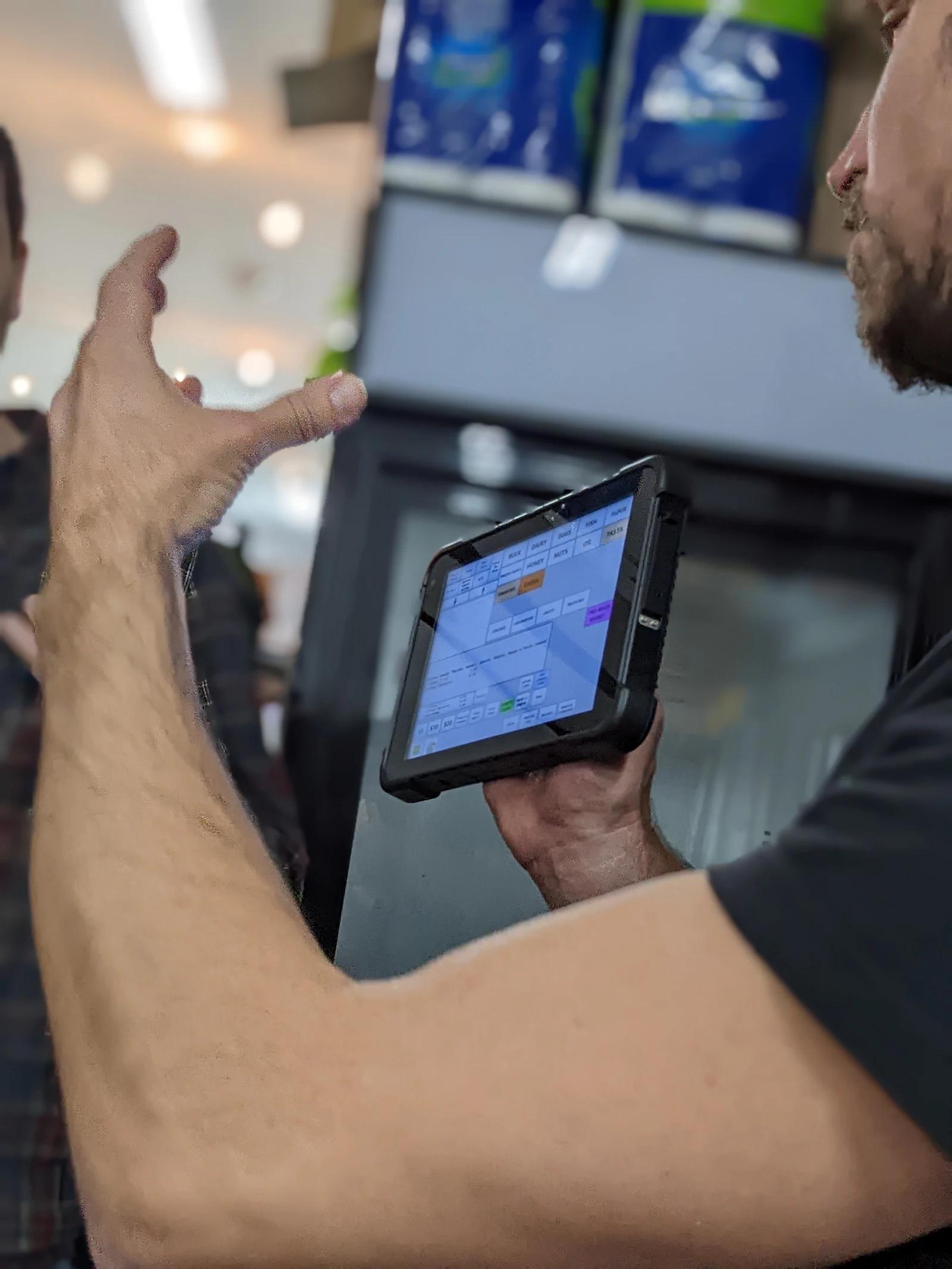
Pre-departure checks, safety rounds and drills completed on a phone or tablet create a timestamped record with a crew member's name attached. The same record that keeps the crew accountable also proves the work was done.
What's over-hyped right now
There's a lot of noise in maritime technology about AI, predictive analytics and autonomous vessels. Some of it is genuinely exciting and will matter in the years ahead. But for most commercial, charter and passenger operators, it isn't where today's attention or budget should go first.
- Fully autonomous vessels: interesting to watch, but years away from day-to-day relevance for most operators.
- Predictive analytics: only as good as the maintenance history behind it. Without consistent records, there's nothing reliable to predict from.
- AI on its own: most useful when it sits on top of good records, highlighting trends and recurring faults that are already in your data.
Chase the fundamentals first. The frontier technology will still be there when you're ready for it.
The question to ask first: people problem or systems problem?
Before choosing any software, look at what's currently falling through the cracks, and why.
If it's a people problem, such as accountability, culture or leadership, no technology will fix it on its own. If it's a systems problem, the right tools solve it directly, and usually more simply and cheaply than operators expect. Signs it's a systems problem:
- Things that should be tracked aren't.
- Alerts that should fire don't.
- Records that should be easy to find aren't.
- The same information is entered twice in different places.
The gap between where most maritime operations are today and where they could be with the right tools in place is not a technology gap. It's a decision gap.
All four basics in one platform
Following the merger of Vessel Vanguard and SeaLogs, the four basics now sit in one connected platform: maintenance and service records, digital logbooks and checklists, crew certifications, and compliance documentation, with mobile and offline access for crews at sea.
Read what the merger means for your fleet.
Ready to see the basics in action?
Book a DemoBook a 20-minute walkthrough and we'll show you how digital checklists, maintenance tracking, crew certifications and compliance records work together for your vessels.
Source: Rhiannon Silvashy, "Eighty Percent of Marine Accidents Are Human: Here's Where Technology Actually Fits", Foghorn, September 2026.
Frequently asked questions
Why are digital checklists better than paper checklists?
A digital checklist records who completed each check, on which vessel and at what time. A paper checklist only shows that a form was filled in. Timestamped digital records are far stronger evidence in inspections, insurance claims and incident investigations.
What maritime technology should operators invest in first?
Start with the basics: central digital compliance documentation, proactive maintenance tracking, crew certification tracking and digital checklists. These deliver the biggest improvements in safety, inspection results and efficiency for most operators.
Is AI useful for vessel operators today?
AI can be useful when it sits on top of consistent maintenance and operational records, for example highlighting recurring faults. Without good records, AI and predictive analytics have little reliable data to work from, so the fundamentals should come first.
How do I know if I have a people problem or a systems problem?
If issues come from accountability, culture or leadership, it is a people problem that technology alone will not fix. If things that should be tracked are not, alerts do not fire or records are hard to find, it is a systems problem that the right software can solve.
Does Vessel Vanguard cover checklists, maintenance and crew certifications in one place?
Yes. Following the merger with SeaLogs, Vessel Vanguard brings maintenance, digital logbooks and checklists, crew certifications and compliance documentation together in one platform, with mobile and offline access.