

This week the US marked Veterans Day on 11 November, a day to thank everyone who has served. For many veterans, the next question after service is a practical one: what comes next?
Why veterans and the water fit together
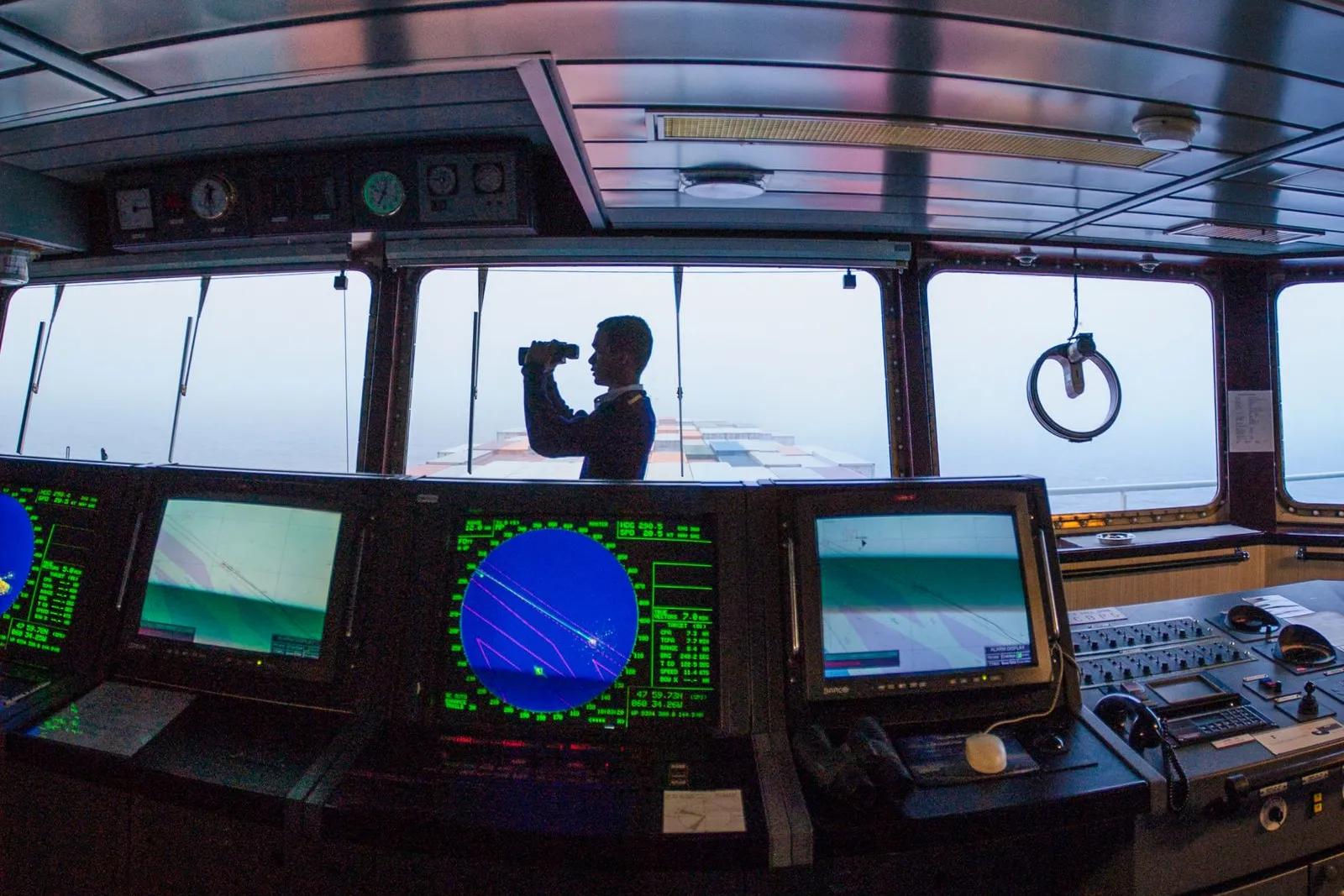
For a lot of them, the answer is already sitting on the water. Commercial vessels run on the same things the military trains for: watchkeeping, discipline, teamwork under pressure, and the habit of doing the checks properly every single time.
The US government agrees. MARAD's Military to Mariner program exists to help veterans turn their experience into a fast track to a merchant marine career. And operators across the industry are short of skilled crew. That makes this a good moment to look at how the move works, and what both sides can do to make it smoother.
The skills that carry straight over
You don't need to have served on a ship to bring useful skills aboard. MARAD points out that veterans arrive with technical, logistical and management experience, and some of it is already shaped around waterborne operations.
Here's what transfers best:
- Watchkeeping and situational awareness. Standing a watch, reporting what you see and handing over cleanly are daily work on a commercial vessel.
- Procedure and checklist discipline. The military teaches people to follow the process even when it feels routine. At sea, that habit prevents incidents.
- Mechanical and electrical skills. Engine room, aviation, vehicle and electronics ratings all build skills that marine engineering departments need.
- Leadership under pressure. Veterans have led teams in tough conditions. That matters when a skipper or mate has to make a fast, calm call.
- Safety and emergency response. Damage control, firefighting and first aid training line up closely with marine safety drills.
- Comfort with hierarchy and records. Ships have a clear chain of command and run on logs, reports and sign-offs. None of that is new to a veteran.
MARAD even notes that merchant marine life will feel familiar. There are ranks, codes of conduct and titles like Chief Engineer and Captain, though mariners remain civilians.
The path from service to a Merchant Mariner Credential
In the US, most commercial maritime jobs need a Merchant Mariner Credential (MMC), often called a "Z-card", issued by the US Coast Guard. There's no central merchant marine recruiter, so veterans apply directly. The Military to Mariner process looks like this:
- Understand who does what. The Coast Guard's National Maritime Center (NMC) evaluates applications. Its 17 Regional Exam Centers (RECs) are your first point of contact.
- Gather your records. That means your Transcript of Sea Service, history of assignments, DD-214 if you've separated, and records of any maritime courses. An SF-180 request pulls a summary of your military record.
- Apply for your MMC. Pass a drug screen, complete the application package with fees, and lodge it at your nearest REC.
- Apply for a TWIC. The Coast Guard only issues credentials to people who have applied for a Transportation Worker Identification Credential from the TSA.
- Complete required training. Most mariners need some STCW training. Many approved schools accept GI Bill benefits.
- Ship out. Choose your department (deck, engine or steward) and the type of vessel you want to work on.
A few things work in veterans' favour. NMC has found that Navy and Coast Guard recruit training covers most Basic Safety Training requirements. Sea time on military vessels can count toward credentials when the Coast Guard judges it equivalent. And since a 2020 rule change, service on uniformed-services vessels counts as "recent" sea service for officer endorsements for seven years, up from three.
One honest caveat: not all time at sea counts. The Coast Guard looks at what you actually did on board, so roles without navigation or vessel operation duties may earn less credit. Ask your REC early.
Where veterans end up
Merchant mariners split roughly the way the military does. Licensed mariners are the officers, holding a rank such as mate, master or engineer. Unlicensed mariners hold a rating and make up most of the crew, and many move up into the licensed ranks over time.
Careers don't stop at the gangway, either. Here's how common military backgrounds map to maritime roles:
| Military background | Roles on the water | Roles ashore |
|---|---|---|
| Deck, navigation, boat crew | Deckhand, Able Seaman, mate, master | Port captain, operations manager |
| Engine room, mechanics, electronics | Oiler, QMED, marine engineer | Maintenance coordinator, technical superintendent |
| Logistics and supply | Steward department, purser | Fleet logistics, parts and inventory |
| Safety, damage control, medical | Safety officer, medical person in charge | HSE or compliance manager, trainer |
| Leadership and command | Master, chief engineer | Fleet manager, marine superintendent |
The sector matters too. Veterans work on ferries, tugs and barges, offshore support vessels, research ships, charter and tour boats, and deep-sea cargo ships. Each has a different rhythm: home every night on a harbour ferry, weeks away on a deep-sea rotation.
For operators: how to bring veteran crew aboard
If you run vessels, veterans are one of the best pools of crew you can recruit from. A little effort on your side makes the move much easier for them.
- Translate your job ads. Name the military skills you value (watchkeeping, engine maintenance, damage control) so veterans can see themselves in the role.
- Help with the paperwork. Point new hires to their nearest REC and the Military to Mariner steps. Some operators cover TWIC or training costs.
- Make your procedures clear from day one. Veterans expect a defined way of doing things. Clear checklists, drills and handover routines help them settle in fast.
- Recognise their experience. Pair new crew with a mentor, but don't treat a former chief petty officer like a first-day deckhand.
- Show a path forward. Map out how a rating can work toward a licence. Veterans respond well to a visible next rank.
- Keep good records. Documented sea time, training and drills help crew upgrade their credentials, and they help you at audit time.
Where Vessel Vanguard fits
Veterans are used to systems that work: clear procedures, reliable records, and everyone knowing what's been done and what's next. Vessel Vanguard gives commercial vessels the same thing.
Digital checklists make sure every pre-departure check, drill and handover is done the same way, whoever is on watch. Maintenance schedules and logbooks keep a clear record of who did what and when. That makes life easier for new crew learning your vessel, and for the people signing off their sea time.
To every veteran who has served, and to those now serving on the water: thank you.
Sources: Military to Mariner, US Maritime Administration (MARAD). Crediting Recent Sea Service of Personnel Serving on Vessels of the Uniformed Services, Federal Register, Sept 2020.