
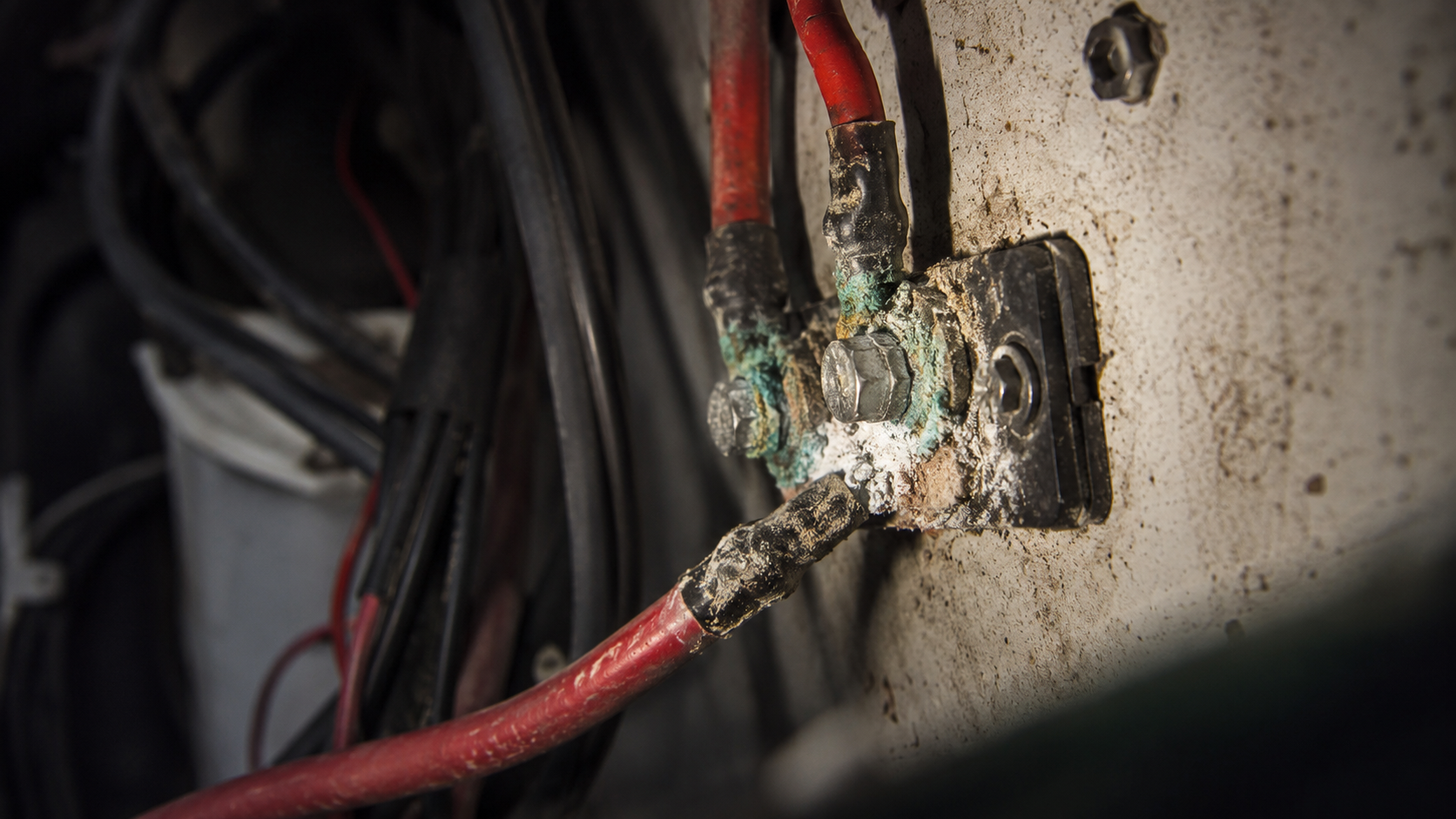
Electrical Fires on Boats: Causes, Prevention, and What the Data Shows
Five years of marine insurance claims data from BoatUS tells a specific story: the DC electrical system is responsible for more than one third of all fires aboard recreational vessels. Shore power connections account for an additional 9 percent. Together, electrical failures are the single largest cause category of boat fires - ahead of fuel systems, engine room heat, and galley fires combined. Understanding exactly where these fires start is the first step to preventing them.
Where Most Electrical Boat Fires Start: The Engine Room
The engine room is where the majority of DC electrical fires originate, and this is not coincidental. It is where the highest-amperage loads on the vessel - the engine starter, alternator, and battery charger - are concentrated in a confined space. High amperage generates heat wherever there are undersized wires, loose connections, corroded terminals, or intermittent shorts. Vibration from the engine compounds the problem, causing wiring harnesses to chafe and connections to loosen over time.
Alternator and starter connections are particularly vulnerable. The wiring at these points carries very high current, is subjected to constant vibration, and is often in proximity to heat sources. A connection that has worked fine for years can fail rapidly once corrosion or chafe reaches a critical point.
Why Shore Power Connections Are a Leading Source of Electrical Boat Fires
The shore power inlet - specifically the terminals at the rear of the inlet where the vessel's wiring connects - is one of the most failure-prone points in the entire electrical system. These inlets are exposed to water intrusion, vibration, and repeated connection and disconnection cycles. The terminals are often surrounded by material that ignites easily.
Shore power inlets should be pulled out and inspected internally at least every five years. Any sign of corrosion on the blade contacts, discoloration indicating previous heat buildup, or pitting means the inlet should be replaced immediately - not at the end of the season.
Electric heaters compound the shore power risk. High-current heater draws create resistance heat at every corroded connection in the shore power circuit. Never leave an electric heater running aboard an unattended vessel.
How to Prevent DC Electrical Fires: A Maintenance Protocol
The most effective fire prevention measures are also the most consistently deferred. DC electrical connections loosen, corrode, and degrade gradually - invisibly, until they fail. Making electrical inspection a scheduled maintenance task, not a reactive one, is what separates vessels with clean electrical systems from those with fire histories.
A practical protocol for vessels in active service:
Inspect and tighten all DC electrical connections associated with engine starting and charging at least monthly during the boating season
Inspect battery wiring, switches, and terminals monthly - clean terminals and connectors at the start and end of each season
Replace battery switches that are more than 15 years old
Inspect shore power cords before each use - replace if pitting, burning, or corrosion is visible on plug blades or if the cord shows any signs of wear
Inspect the rear of the shore power inlet every five years and replace at the first sign of corrosion or heat damage in the terminals or wiring
On vessels more than 25 years old with original wiring harnesses and starters, plan proactive replacement - a significant proportion of fires on older vessels begin with aged original components
For commercial operators and fleet managers, documenting these checks - by system, date, and technician - creates the maintenance record that supports insurance claims and satisfies compliance requirements if an incident does occur.
Why Automotive Battery Chargers Cause Boat Fires
Automotive battery chargers are a documented cause of marine fires and should not be used aboard any vessel. Marine battery chargers are designed for the chemistry and charging cycles of marine battery banks and are rated for the marine environment. Automotive chargers lack multi-stage charging capability, can easily overcharge marine batteries, and cause electrolyte loss and eventual battery failure - or fire. A marine-rated smart charger with multi-stage charging is not optional equipment. It is basic electrical safety.
What Makes the Marine Electrical Environment Uniquely High-Risk
Boats combine several factors that amplify electrical failure risk in ways not seen in terrestrial applications: confined spaces with limited ventilation, constant vibration that loosens connections and causes chafe, moisture that accelerates corrosion at every terminal and connector, and high-amperage loads concentrated in the engine room. A wiring fault that might generate heat for months before failing in a car can progress to failure - and fire - much more rapidly in the marine environment. The margin for deferred maintenance is smaller than most vessel owners appreciate.
Frequently asked questions
What percentage of boat fires are caused by electrical problems?
According to five years of BoatUS Marine Insurance claims data, DC electrical system failures cause more than one third of all boat fires. Shore power connections account for an additional 9 percent. Together, electrical failures are responsible for approximately 43 percent of all fires originating aboard recreational vessels.
Where do most electrical boat fires start?
Most DC electrical boat fires originate in the engine room, where the highest-amperage loads - starters, alternators, and battery chargers - are concentrated in a confined, vibration-prone space. Shore power inlets are the leading source of AC electrical fires aboard recreational vessels.
How do I prevent electrical fires on my boat?
The most effective prevention measures are monthly inspection and tightening of all DC electrical connections during the boating season; annual cleaning of battery terminals and connectors; replacing battery switches over 15 years old; inspecting and replacing shore power cords and inlets showing corrosion or heat damage; replacing original wiring and starters on vessels over 25 years old; and using only marine-rated battery chargers aboard.
Should I use a marine battery charger or automotive charger on my boat?
Always use a marine-rated, multi-stage battery charger. Automotive chargers lack the multi-stage charging capability required to safely charge marine battery banks, are not rated for the marine environment, and can overcharge batteries - causing electrolyte loss, battery damage, and fire. Using an automotive charger aboard is a documented cause of marine electrical fires.
How often should shore power inlets be inspected?
Shore power inlets should be inspected internally at least every five years, and immediately if any corrosion, discoloration, or heat damage is visible on the blade contacts or terminal wiring. The rear terminals of the inlet - where the boat's wiring connects - are the most vulnerable point and are often missed in routine inspections.
Ready to modernize your vessel operations?
See how Vessel Vanguard helps marine operators stay compliant, reduce downtime, and run more efficiently.
Book a Demo